QI Responds


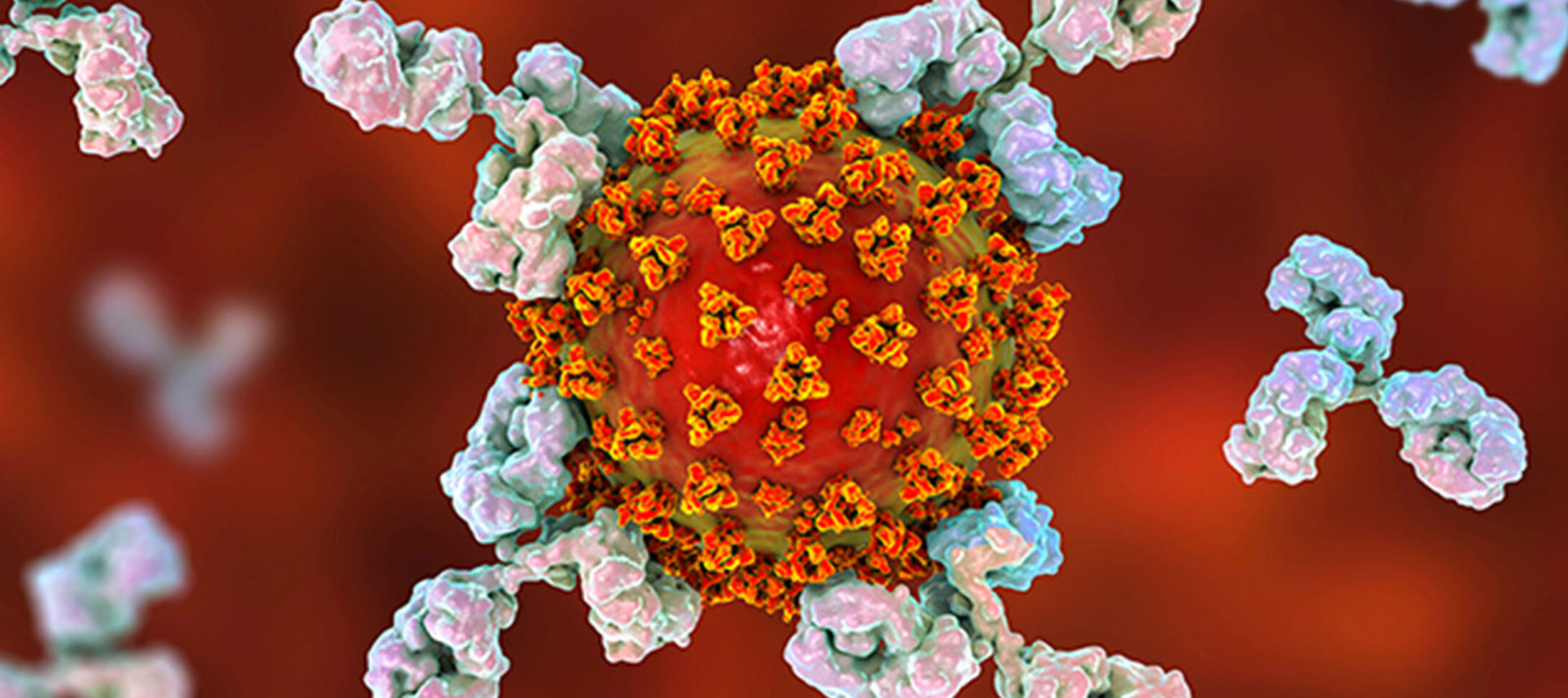


As the novel coronavirus continues to spread, UC San Diego’s Qualcomm Institute (QI) is working with campus, industry, and community partners to bring a broad range of expertise — along with cutting-edge technology — to the aid of patients and those working on the frontlines.
Many of the research spaces in QI are continuing to operate in a limited capacity to address the rapidly-evolving needs during this public health crisis, and QI research teams are ready to collaborate with new partners to meet demand and find new solutions.
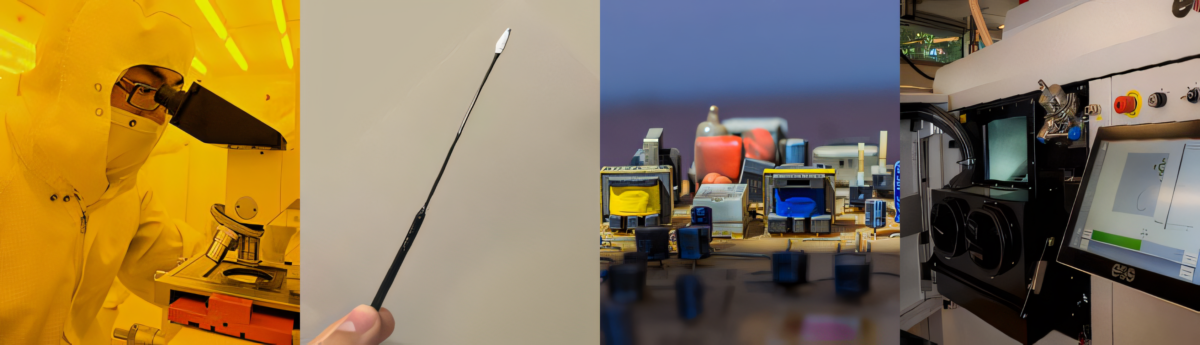
QI’s engineering support and 3D printing services, nanotechnology facilities, rapid prototyping and fabrication capabilities, and electronics design services are available upon request. Please contact us today if you need assistance with any urgent COVID-19 projects.
FEATURED NEWS
Researchers Create New Algorithm to Study Genetic Building Blocks of Immunity
Scientists have developed a new algorithm called MINING-D that could help researchers investigate the genetic clues behind the variation of symptoms shown in COVID-19 patients — information that is key to creating a versatile and effective COVID-19 vaccine. The findings may give scientists a more comprehensive view of how the genes that form the foundation of our immune system create a personalized repertoire of antibodies that protect against invading pathogens. This is a collaborative effort between QI and the Jacobs School of Engineering. Read More
Researchers Awarded NSF Grant to Apply Epidemic Model to COVID-19
Behrouz Touri, an assistant professor with the Electrical and Computer Engineering Department at UC San Diego, and Massimo Franceschetti, a QI research affiliate and ECE faculty member, have secured funding from the National Science Foundation to address COVID-19 using the Susceptible Infectious Recovered (SIR) mathematical model. The two researchers are in the early stages of adapting the SIR model to the current pandemic, in the hopes of identifying policies that effectively reduce the number of COVID-19 infections and mortalities, while limiting the cost to the economy. In time, the researchers hope to provide officials and policymakers at the city and regional level with insight into the efficacy of social distancing, stay-at-home orders and other guidelines.
Qualcomm Institute Lends its Prototyping and 3D Printing Capabilities for Critical Medical Supplies
UC San Diego’s Qualcomm Institute is drawing on its unique range of expertise and technology to help in the rapid prototyping and development of medical supplies desperately needed in the fight against the COVID-19 pandemic. Read more
Qualcomm Institute’s Startup Community Tackles COVID-19 from Many Angles
Startup companies that found their footing in the Qualcomm Institute Innovation Space are supporting remote education, clinical research and efforts to model outbreaks of COVID-19. Together, their efforts are connecting educators, students and researchers across the world as healthcare professionals continue to search for new treatments. Read More
Researchers and Doctors Team Up to Retrofit and 3D-print Ventilators
A team of researchers and physicians at UC San Diego is working to turn emergency hand-held ventilators into devices that can work autonomously for long periods of time, without human input. Ventilators are medical devices that push air in and out of a patient’s lungs when they are unable to breathe on their own. One of the primary symptoms of COVID-19 is difficulty breathing; approximately 1 percent of people who contract the virus require ventilation to support their recovery — sometimes for weeks. Read more
Nanotechnology Researchers Evaluate the Effectiveness of Improvised Medical Masks
Nanotechnology researchers are evaluating the effectiveness of improvised medical masks using scanning electron microscope technology available at Nano3, QI’s nanofabrication cleanroom facility. Electron microscopes on site can image structures whose dimensions are much smaller than the novel coronavirus, providing researchers a means to accurately gauge the effectiveness of various personal protection equipment materials. Read More
Noninvasive Spleen Ultrasound Treatment for COVID-19 Patients
Based on established results that show stimulation of the vagus nerve, the longest cranial nerve in the body, can produce anti-inflammatory effects and help prevent sepsis-related mortality, QI researchers are developing and testing a new Focused Ultrasound Stimulation to the Spleen, or FUSS, treatment for COVID-19. It engages the vagus cholinergic anti-inflammatory reflex to potentially aid the body’s response to the virus.
Folding SARS-CoV-2
The Pacific Research Platform, a National Science Foundation-supported project, has lent its distributed computing and storage powers to help in the fight against COVID-19. Within the last two weeks, more than half of the distributed system’s 600 GPUs have been made available to the global Folding@home effort to study the dynamics of how viral proteins interact with human receptors.
Earth 2.0 Brings a United Response to COVID-19
The COVID-19 pandemic threatened global infrastructure for healthcare and maintenance of critical supplies and resources. A new initiative at UC San Diego called Earth2.0 was founded for such times. The Earth2.0 / COVID-19 Collective Response System supports front-line clinicians and researchers who need help answering questions, performing tasks or locating resources in real-time, by engaging a local network of experts ranging from clinical researchers, to scientists, and engineers (faculty, staff and students) to help provide solutions.
Impact of the COVID-19 Pandemic on Child Development in the ABCD Cohort
This project will administer a questionnaire to youth and parents in the Adolescent Brain Cognitive Development (ABCD) study to understand their experiences during the COVID-19 pandemic. These valuable data will help address the degree of impact of various aspects of the situation, and facilitate investigations of pandemic impact on development. Read More
Partners